Why are they so big?
One cubic foot of air weighs about 28 grams, but when heated to around 38°C, it becomes about 7 grams lighter. This means that one cubic foot of hot air can lift about 7 grams of weight. Almost nothing at all.
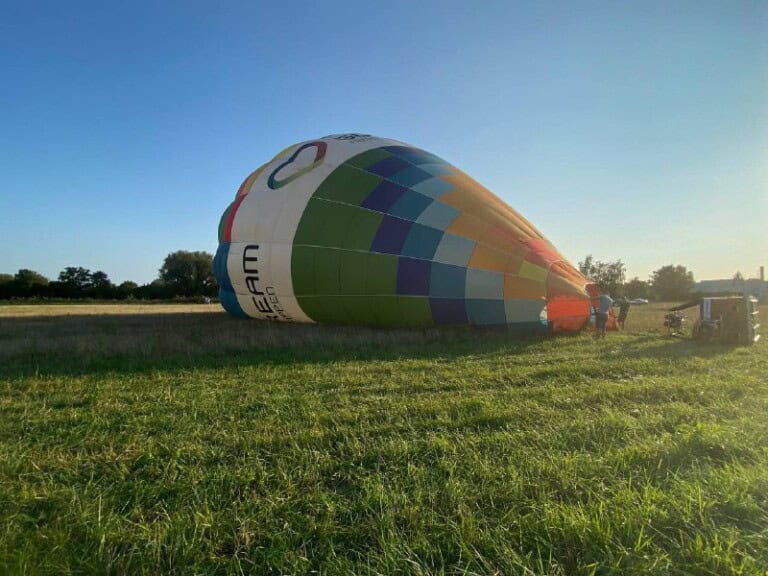
To lift 450 kilograms, you need about 65,000 cubic feet (approximately 1,841 cubic metres) of hot air. And that’s exactly why hot air balloons are so large.
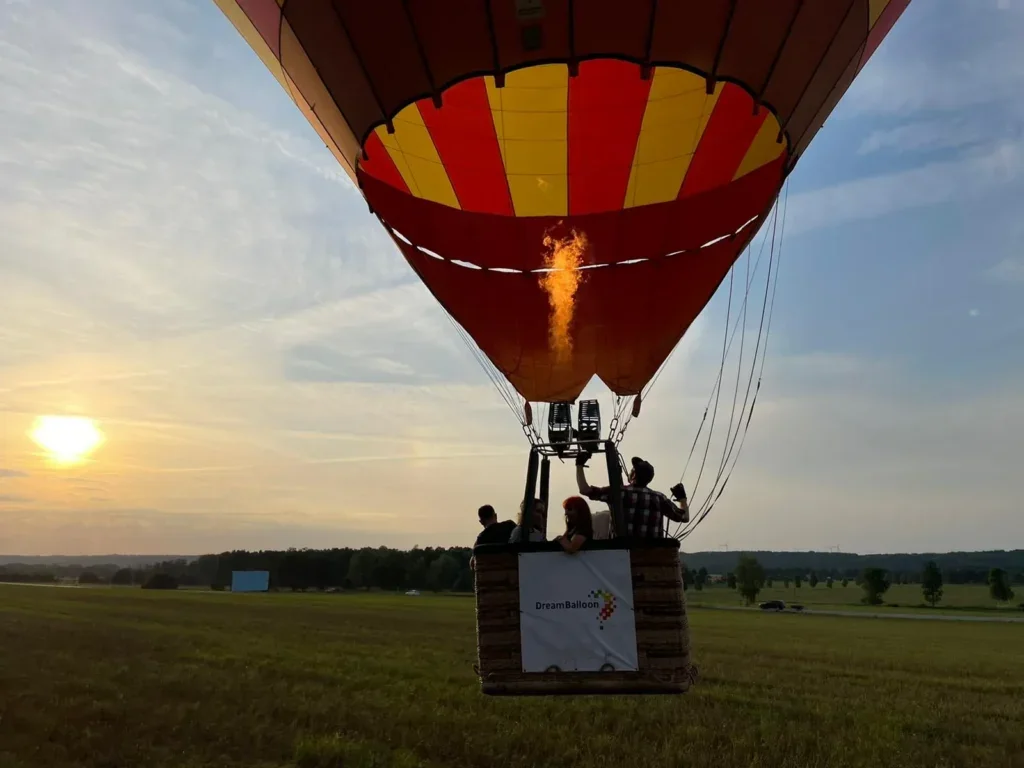
How do pilots control a hot air balloon?
It’s a completely different story from flying an airplane. No rudder, no steering wheel, no autopilot. But that doesn’t mean we simply leave everything to chance. Ballooning is mostly about adjusting altitude and temperature, as well as determining the most suitable landing spot during the flight.
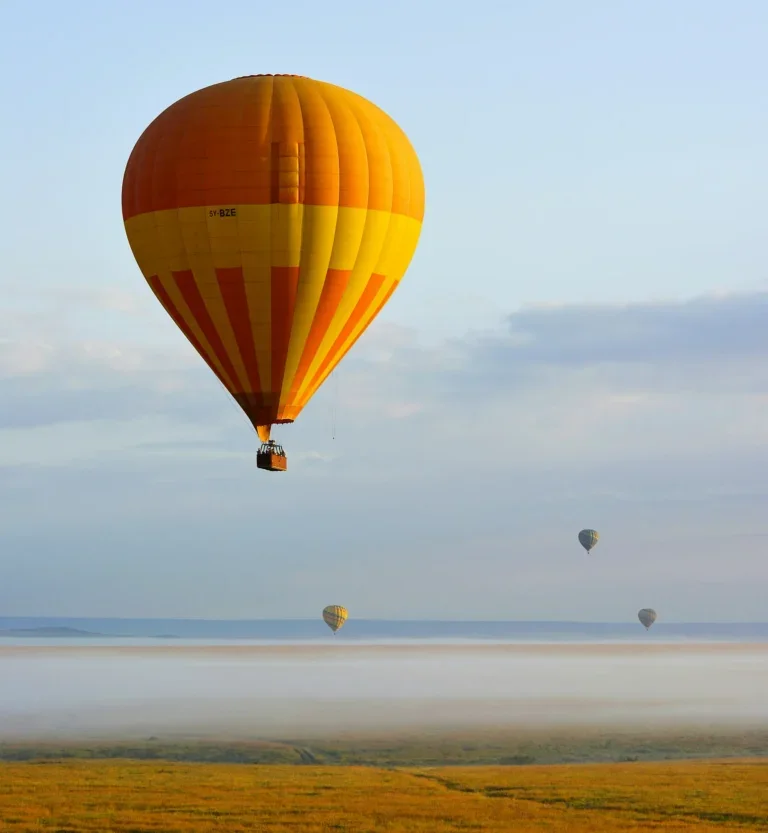
To ascend, the pilot heats the air inside the balloon, making it lighter (as warm air is less dense). To descend, some of the hot air is released, allowing the balloon to cool down. The air then becomes denser (heavier), causing the balloon to gently sink.
Sometimes — for example, in calm weather — the pilot may use the burners to climb higher in search of more favourable wind conditions. At different altitudes, the wind can vary in both strength and direction.

How safe are hot air balloons?
In fact, it’s one of the safest forms of air travel.
First of all, they are extremely durable. They are built using fire-resistant materials, top-quality burners, and baskets designed to provide protection even during the occasional firm landing — which rarely happens. Pilots undergo rigorous, years-long training before obtaining their licences, ensuring they can handle the balloon expertly and manage all safety-related aspects.
The likelihood of something going wrong is far lower than you might think. “But what if the balloon falls?” — don’t worry, the chances are practically zero. The balloon — or more precisely, its envelope — acts like a parachute. A sudden drop simply isn’t possible, even if one tried to force it.
Finally, every flight begins with a detailed safety briefing so passengers fully understand how the flight will proceed and, for example, how to prepare for landing.
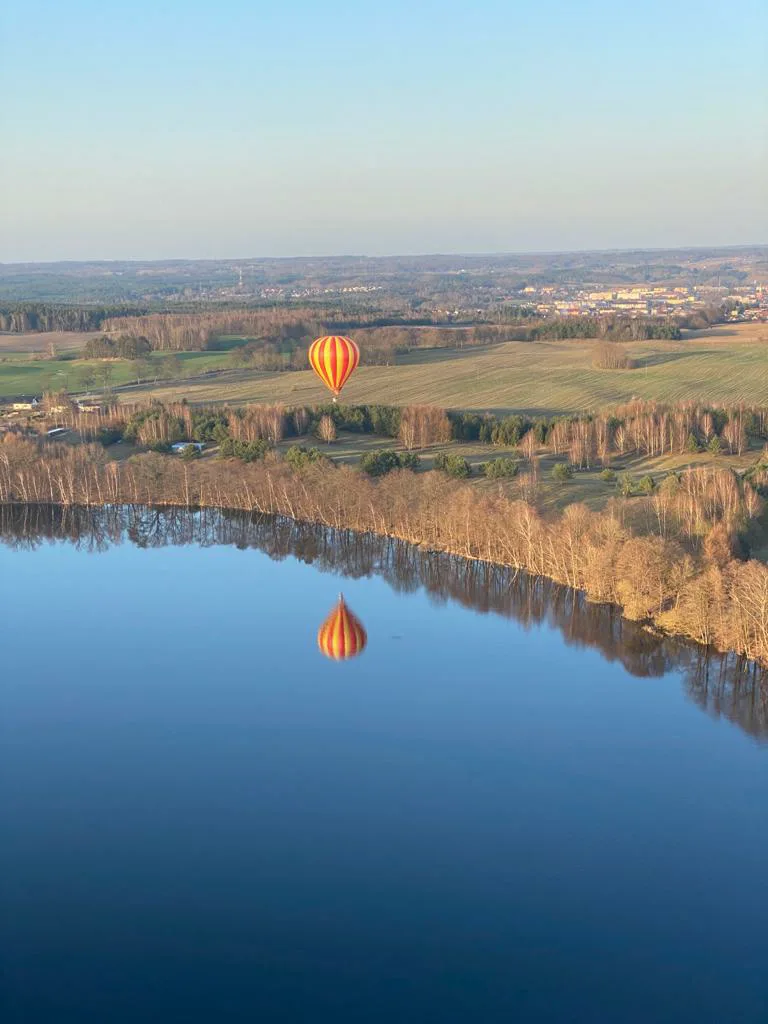
Can anyone pilot a hot air balloon?
Of course not. You can’t just hop into a balloon and take off right away. Becoming a certified pilot is not an easy task. From a layperson’s perspective, it may seem quite simple — but it’s really not.
To even consider flying a balloon, one must undergo detailed training that covers a wide range of topics — from weather patterns and burner systems to meteorology and aviation law. Pilots undergo regular and rigorous medical examinations, which determine the validity of their licences issued by the Civil Aviation Authority. Additionally, before receiving their licence, they must complete a required number of flight hours. There are no shortcuts here.
But there’s good news too. In fact, anyone can become a pilot — but only after completing the proper training and obtaining a licence. If you’re ready for an adventure and the responsibility that comes with it — the skies are wide open for you.
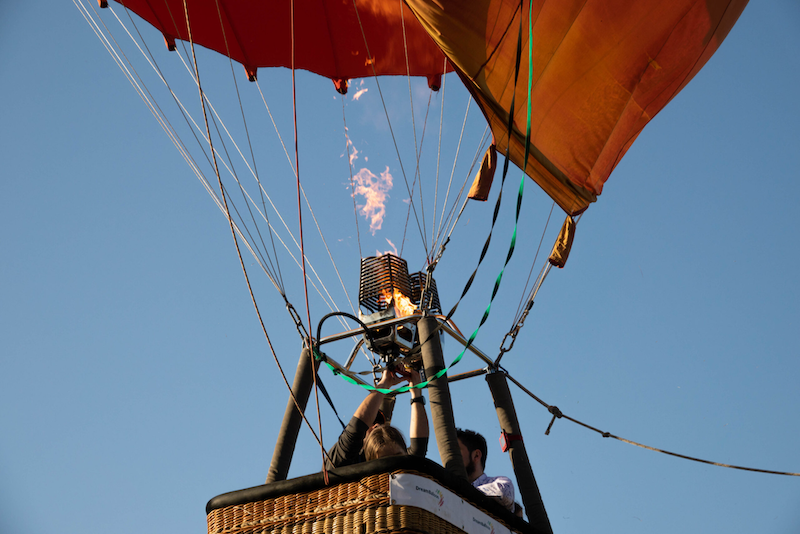
What if a hot air balloon bursts?
Fortunately, that’s impossible. Balloons are made from strong, durable materials that can easily withstand all the challenges of flight. For example, Nomex — the same material used in firefighter gear due to its fire-resistant properties.
Hot air balloons are nothing like the ones you see at birthday parties — they don’t stretch under high internal air pressure.
A flight can usually continue safely even if a tear appears in the balloon’s envelope — it can be quite large and still pose no immediate danger. This is thanks to the vertical and horizontal load tapes that divide the envelope into panels. These extremely strong straps prevent the fabric from tearing any further.

What if the gas runs out?
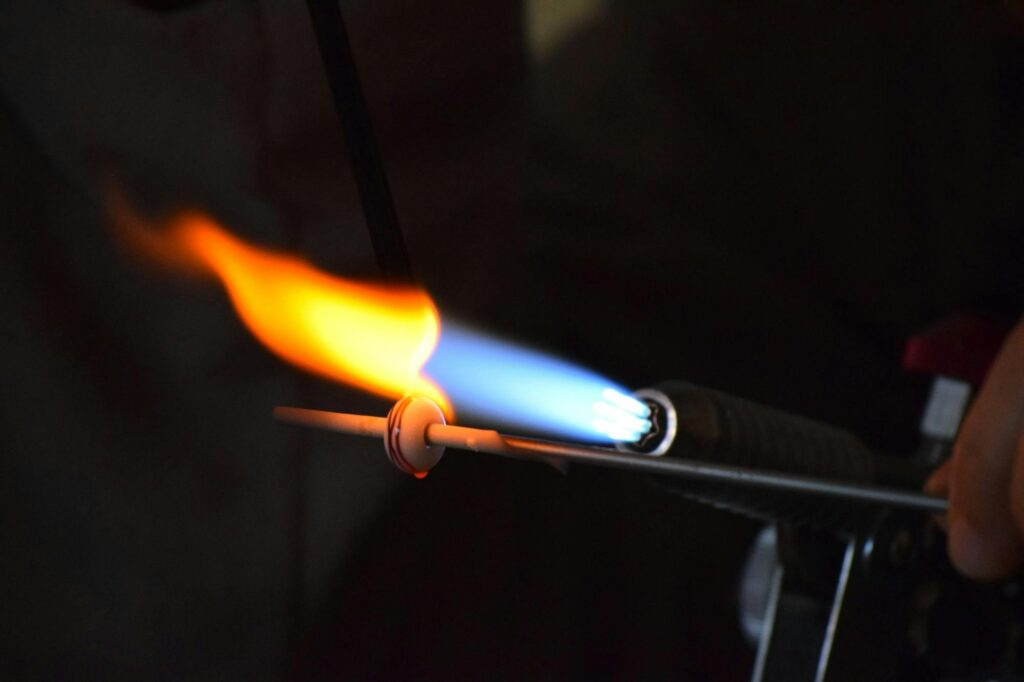
Hot air balloons use propane — a gas stored in liquid form inside the cylinders. Storing and regulating propane is relatively simple — the fuel is readily available, easy to handle, and simple to monitor. Most importantly, pilots and crew members always carry a generous reserve of extra gas cylinders.
Theoretically speaking, even if the propane were to run out — by some miracle — the balloon has an incredible ability to descend slowly and in a fully controlled manner.
Pilots also take additional precautions, such as identifying potential landing sites before the flight — always taking into account the current and forecasted weather conditions. Thanks to this, we can be confident that throughout the entire flight, we always have suitable landing spots in reserve. That’s why, among other reasons, no pilot would ever choose to fly over a 30-kilometre stretch of forest or vast wetlands.